Dubai's rapid technological advancement has made e-waste recycling more critical than ever. The UAE generated an estimated 178,000 tonnes of e-waste in 2022 alone, according to the Global E-Waste Monitor 2024 (ITU/UNITAR), and only a small share of it is currently collected through certified recyclers. Proper disposal and recycling have become essential for environmental sustainability and regulatory compliance.
What is E-Waste and Why Does it Matter in Dubai?
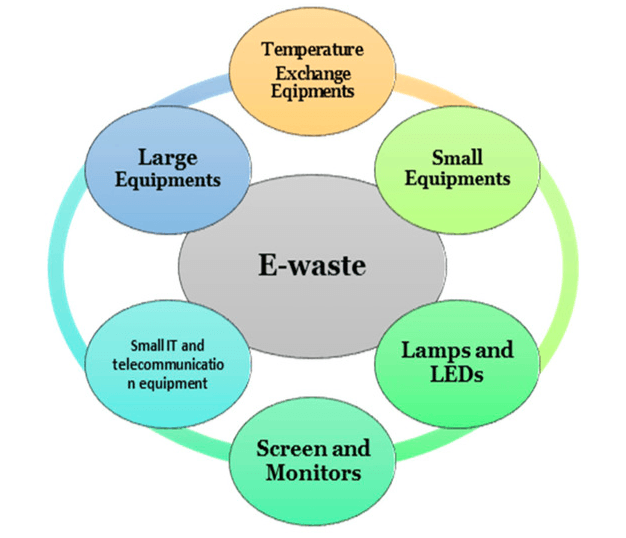
E-waste, or electronic waste, encompasses discarded electrical and electronic equipment including computers, smartphones, printers, televisions, and household appliances. In Dubai's tech-driven economy, businesses and residents generate substantial amounts of e-waste each year.
Why E-Waste Volumes Matter in Dubai:
- The UAE generated roughly 178,000 tonnes of e-waste in 2022, and volumes continue to rise as businesses refresh IT equipment more frequently
- Formal collection rates remain low nationally, meaning most e-waste still isn't reaching certified recyclers
- Businesses are major contributors to e-waste volumes because laptops, servers, and networking gear are typically replaced every few years
- Working with a certified recycler helps organizations meet UAE waste-management obligations and avoid the penalties described below
Legal Requirements for E-Waste Disposal in Dubai
The Dubai Municipality and UAE Federal Government have established strict regulations for e-waste management. Understanding these requirements is crucial for businesses and individuals to ensure compliance and avoid penalties.
Dubai Regulations
- Law No. 18 of 2024 Regulating Waste Management in the Emirate of Dubai: Sets out how all waste, including e-waste, must be segregated, transported, and disposed of within the Emirate
- Approved Processor Requirement: E-waste must be handed to an approved e-waste processor or dropped at a Dubai Municipality Smart Sustainability Oasis collection point
- Licensing Requirements: Businesses that collect, transport, or process e-waste must register and hold the appropriate permits from Dubai Municipality
Federal UAE Environmental Laws
- Federal Law No. 12 of 2018 on Integrated Waste Management: The core national law regulating the collection, treatment, and disposal of waste, including electronic waste, across the UAE
- Cabinet Resolution No. 39 of 2021: The executive regulation of Federal Law No. 12 of 2018, which requires suppliers and retailers to take back e-waste and batteries from consumers free of charge
- Federal Law No. 24 of 1999: Environmental protection and development framework that underpins waste-related rules nationwide
- UAE Data Protection Law: General requirements for handling personal data, which are relevant when data-bearing devices are retired and disposed of
⚠️ Compliance Warning
Under Federal Law No. 12 of 2018 on Integrated Waste Management, illegally dumping or disposing of waste can result in fines of up to AED 1,000,000 for businesses and up to AED 30,000 for individuals, with further penalties of up to AED 20,000 for other violations of the law. Businesses should maintain proper documentation and use certified disposal services to stay compliant.
Best Practices for E-Waste Recycling in Dubai
1. Data Security and Destruction
Before disposing of any electronic device, ensure all sensitive data is completely destroyed. This is particularly crucial for businesses handling customer information, financial data, or proprietary information.
- Physical Destruction: Hard drives and storage devices should be physically destroyed
- Data Wiping: Use NIST SP 800-88 aligned data sanitization processes for data overwriting
- Certificate of Destruction: Obtain official documentation proving data destruction
- Chain of Custody: Maintain detailed records of device handling throughout the process
2. Equipment Assessment and Valuation
Not all electronic equipment needs to be recycled. Many devices retain significant value and can be refurbished, resold, or donated, providing economic benefits while extending product lifecycles.
| Equipment Type | Typical Lifespan | Resale Value | Best Disposal Method |
|---|---|---|---|
| Laptops (1-3 years old) | 4-6 years | High (40-60% original) | Refurbishment/Resale |
| Desktop Computers | 5-8 years | Medium (20-40%) | Component Recovery |
| Servers | 7-10 years | High (30-50%) | Refurbishment |
| Network Equipment | 8-12 years | Medium (25-45%) | Specialized Recycling |
| Printers/Copiers | 5-7 years | Low (10-25%) | Material Recovery |
3. Choosing Certified E-Waste Recyclers
Selecting the right e-waste recycling partner is crucial for compliance, security, and environmental responsibility. Look for recyclers with proper certifications and transparent processes.
✅ What to Look For
- • ISO 14001 Environmental Management certification
- • Documented chain of custody and inventory reporting
- • Dubai Municipality permits and licenses
- • Transparent tracking and reporting systems
- • Data destruction certificates
- • Insurance coverage for liability protection
❌ Red Flags to Avoid
- • No proper licensing or certifications
- • Unusually low pricing (may indicate illegal export)
- • No data destruction services offered
- • Lack of transparency in processes
- • No environmental compliance documentation
- • Cash-only payment requests
Environmental Benefits of Proper E-Waste Recycling
Proper e-waste recycling in Dubai contributes significantly to environmental conservation and supports the UAE's sustainability goals outlined in the UAE Centennial 2071 and the Green Agenda 2030.
Resource Recovery and Circular Economy
E-waste contains valuable materials that can be recovered and reused, supporting Dubai's circular economy initiatives:
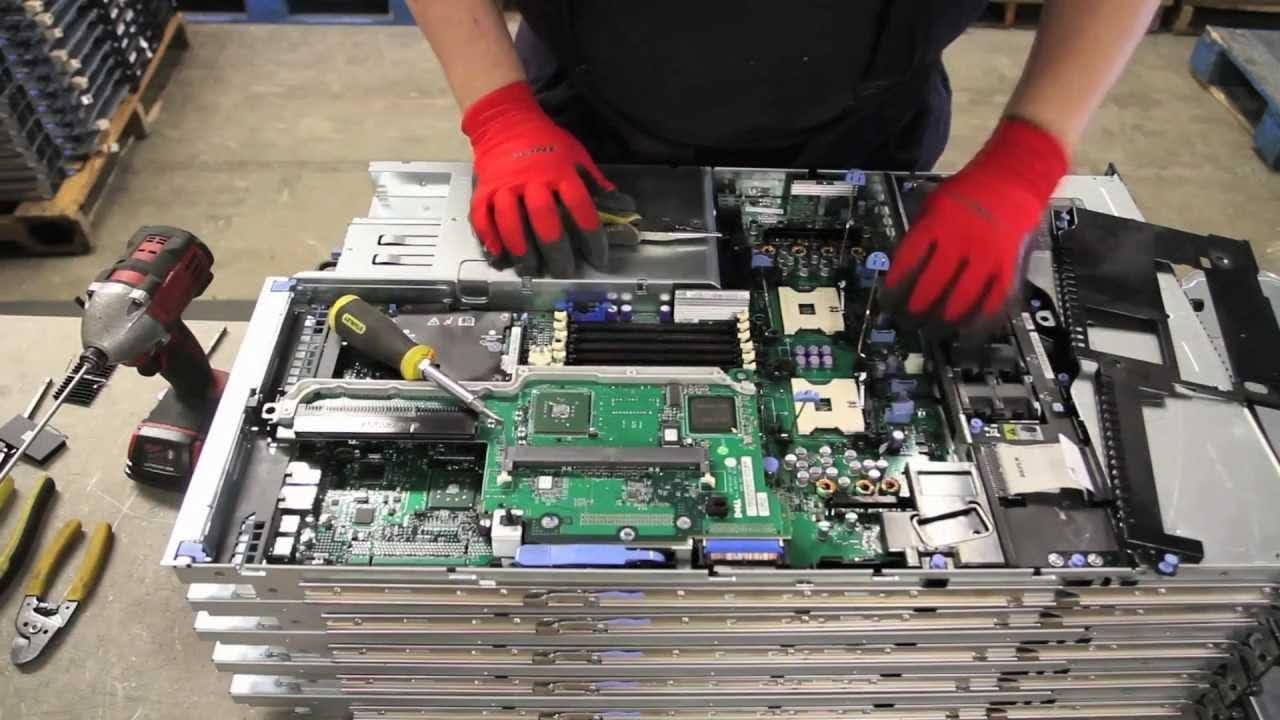
- Precious Metals: Gold, silver, platinum, and palladium recovery from circuit boards
- Rare Earth Elements: Critical materials for new technology manufacturing
- Base Metals: Copper, aluminum, and steel for construction and manufacturing
- Plastics: High-grade polymers for new product manufacturing
- Glass: CRT and LCD glass for new display manufacturing
Cost-Effective E-Waste Management Strategies
Implementing cost-effective e-waste management strategies can help Dubai businesses reduce disposal costs while maximizing value recovery from obsolete equipment.
Asset Lifecycle Management
- Procurement Planning: Choose equipment with longer lifecycles and better resale value
- Maintenance Optimization: Extend equipment life through proper maintenance and upgrades
- Timing Disposal: Monitor market values and dispose when resale value is optimal
- Bulk Processing: Accumulate equipment for bulk disposal to reduce per-unit costs
- Tax Benefits: Leverage depreciation and disposal tax advantages
ROI Calculation for E-Waste Programs
Calculate the return on investment for your e-waste management program using this framework:
ROI Formula:
ROI = (Equipment Resale Value + Tax Benefits + Avoided Penalties - Disposal Costs) / Total Investment × 100
Hypothetical example: Suppose a company retires AED 100,000 worth of equipment, recovers AED 35,000 through resale, avoids AED 15,000 in potential penalties by disposing of it compliantly, and spends AED 8,000 on collection and processing. Using the formula above, that works out to roughly 42% ROI on the disposal program — actual results will vary by equipment condition, market demand, and disposal costs.
Future of E-Waste Recycling in Dubai
Dubai's e-waste recycling industry is evolving rapidly, driven by technological advancement, regulatory changes, and sustainability commitments. Understanding future trends helps businesses prepare for upcoming requirements and opportunities.
Emerging Technologies and Trends
- AI-Powered Sorting: Automated systems for more efficient material separation
- Blockchain Tracking: Transparent supply chain management for recycled materials
- Urban Mining: Advanced techniques for extracting valuable materials from e-waste
- Extended Producer Responsibility: Manufacturers taking responsibility for product lifecycle
- IoT Integration: Smart tracking systems for equipment throughout its lifecycle
💡 Pro Tip
Start implementing comprehensive e-waste management practices now to stay ahead of evolving regulations and benefit from early adoption advantages.
Conclusion
Effective e-waste recycling in Dubai requires a comprehensive approach combining regulatory compliance, environmental responsibility, and economic optimization. By following best practices, choosing certified recyclers, and implementing strategic asset management, businesses and individuals can contribute to Dubai's sustainability goals while maximizing value recovery.
The future of e-waste management in Dubai is bright, with continued investment in technology, infrastructure, and regulatory frameworks. Organizations that proactively adopt sustainable e-waste practices will benefit from cost savings, regulatory compliance, and enhanced corporate reputation.
Ready to Start Your E-Waste Recycling Program?
MAH Recycling offers comprehensive e-waste management services in Dubai, including secure data destruction, equipment valuation, and certified recycling processes. Contact us today for a free consultation and quote.