Why Old Electronics Keep Piling Up
Old electronics are something we all deal with, but usually don't pay much attention to. A phone gets replaced, a laptop slows down, a printer stops working, and then it just ends up in a drawer or a corner somewhere.
In the UAE, this is becoming more common because devices are upgraded quite often, both in homes and offices. If you want a safe and trusted way to handle it, MAH Recycling provides complete e-waste solutions across Dubai. Contact their team today and dispose of your electronics the right way.
What E-Waste Actually Is
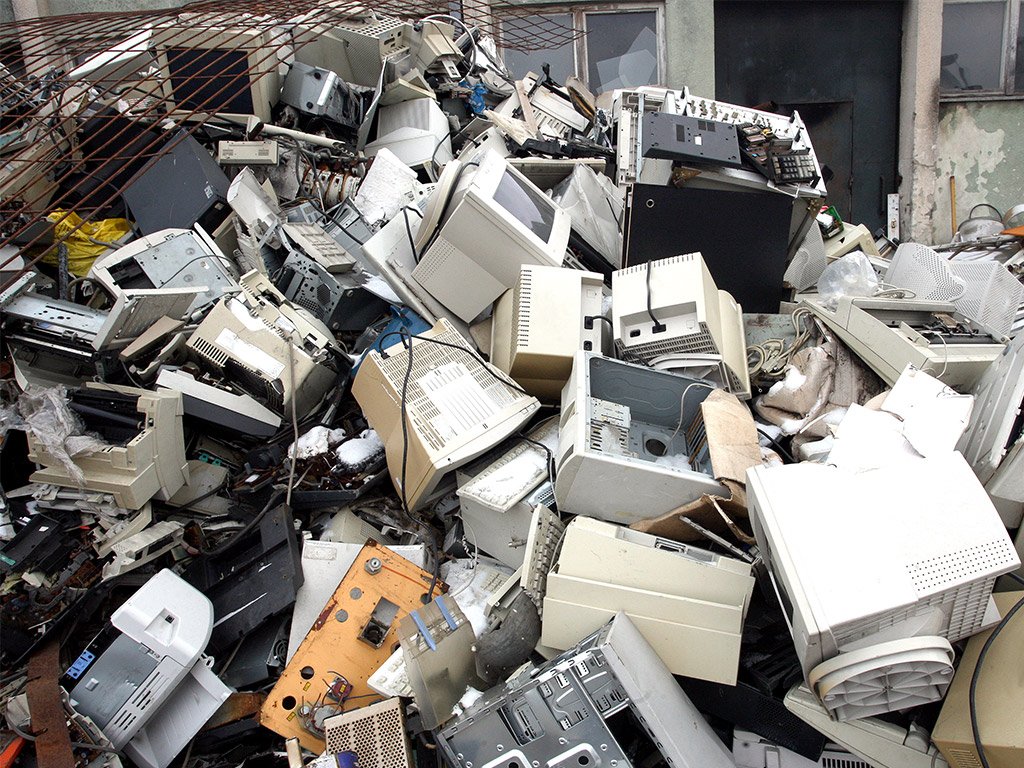
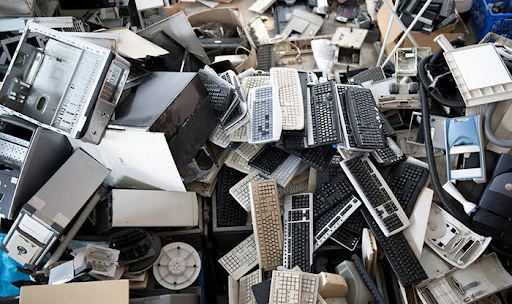
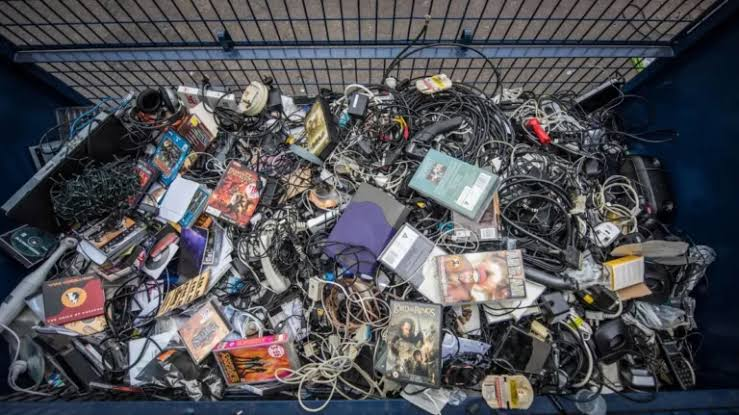
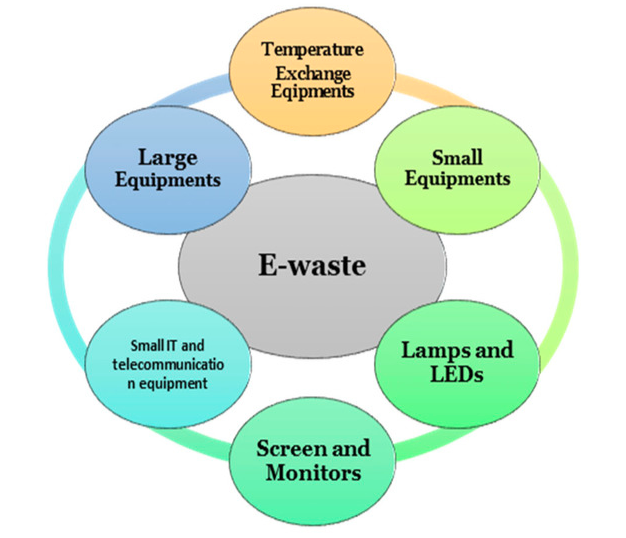
E-waste is simply old electronic equipment that is no longer being used. Even when devices stop working, they still contain valuable materials inside them. Metals, plastics, and small components can often be recovered, and in many cases, data is also still stored inside, which people forget about.
Common Devices
- Old Laptops & Desktop Computers
- Mobile Phones, Printers, & Scanners
- Servers & Hard Drives
Network & Peripheral Equipment
- Monitors & Routers
- Other Network Devices
- Chargers & Accessories
Where E-Waste Comes From
It doesn't come from just one place. Businesses are a big source, upgrading systems and replacing computers, servers, and other equipment. Homes also contribute, with old phones, broken chargers, and unused laptops lying around. Schools and institutions add to it too when they upgrade their systems and computer labs.
E-waste is actually everywhere, not just one sector. It builds up slowly, and most people don't realize how much they've accumulated until it becomes a storage problem.
The Real Challenges of E-Waste Management
1. Lack of Awareness
A lot of people simply don't know what to do with old electronics. There's confusion about where to recycle them or whether they are even worth recycling, so most devices just end up stored or dumped with regular waste.
2. Data Security Risks
Old devices often still contain sensitive information. Even if files are deleted, data can sometimes be recovered if the device is not properly wiped, including business documents, financial records, and customer data.
3. Fast Upgrade Cycle
Technology changes quickly. Devices that were new a few years ago are already outdated in many industries, creating a constant flow of discarded electronics.
4. Storage Problems
Many companies don't realize how much old equipment they are actually storing. Over time, it builds up and takes valuable space in offices or warehouses.
How E-Waste Is Handled in the UAE
In the UAE, e-waste is not treated like normal garbage. It goes through proper recycling systems. Special companies collect the devices, sort them, check what can be reused, and then process the rest. Before anything is recycled, data is properly wiped so nothing sensitive remains.
- Collection: Devices are collected from homes or offices.
- Sorting: Items are separated by value and reusability.
- Data Erasure: Data is properly erased so there's no risk left.
- Material Recovery: Metal, plastic, and components are separated for recycling.
- Safe Disposal: Whatever cannot be reused is disposed of safely.
Best Practices for Managing E-Waste
The simplest thing is just keeping track of old devices instead of ignoring them. They shouldn't be left in storage for years. Before recycling anything, data should always be properly removed. Instead of handling everything alone, most companies prefer working with recycling services because it's safer and easier.
Frequently Asked Questions
What is e-waste?
Old electronic devices that are no longer in use.
Why is e-waste a problem in the UAE?
Because people upgrade devices often and old ones are not always recycled properly.
Can old devices still have data?
Yes, many devices still contain recoverable data.
How is e-waste disposed of?
It is collected, sorted, data is erased, and then recycled or safely disposed of.
What does MAH Recycling do?
They handle collection, data destruction, recycling, and safe disposal of e-waste.