
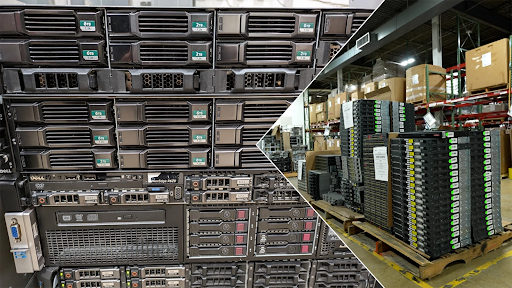
A good data center scrap buyer can turn a room full of dead hardware into an actual check. Most businesses don't realize how much sits unused in their server rooms—old racks, switches, drives, cabling—until someone finally asks, "Wait, why are we keeping all this?" If that sounds familiar, you're already halfway to making some money off it.
The Slow Buildup Nobody Notices
Data centers change constantly. New equipment comes in, old equipment gets pulled, and that cycle never really stops. What does stop, usually, is any plan for the stuff that gets pulled. So it sits—a rack here, a pile of switches there. Before long it's taking up real square footage that could be used for literally anything else.
What Actually Counts as Decommissioned Equipment
More than people expect, honestly. This covers:
Equipment That Qualifies:
- Full server racks and standalone units
- Switches, routers, and other networking gear
- Storage arrays and drive enclosures
- Power supplies and UPS units
- Cabling and connectors, if there's enough of it
If it's unplugged and gathering dust, it's worth checking.
Storing It or Trashing It Both Cost You
Think about it plainly. Storage isn't free—you're paying for square footage that old switches are sitting on, doing nothing. Trashing it is worse. You get zero back, and depending on what's inside, you might be creating an environmental problem you didn't need to. Selling solves both. You free up the room, and you walk away with something for gear you were about to throw out anyway.
Spotting a Buyer Worth Trusting
Not every scrap buyer operates the same way, and the differences matter more than people think. Certifications are the first thing to check—a serious buyer holds proper recycling credentials, and if they dodge the question, that tells you something. Data handling matters just as much—ask directly how they wipe drives, and don't accept a vague answer. Pricing should make sense too; if a buyer can't explain how they arrived at a number, that's a red flag. And pickup logistics shouldn't be a headache. MAH Recycling checks these boxes for businesses across Dubai: transparent valuations, secure data handling, and pickup that doesn't drag on for weeks.
How Selling Usually Plays Out
Share Your Inventory
Give a simple rundown of what you have—quantities, general condition, that kind of thing.
Get an Estimate
The buyer takes a look and gives you a fair estimate.
Schedule Pickup
Once you're both on the same page about price, pickup gets scheduled.
Data Gets Wiped
Data is wiped on-site or under proper protocol before anything leaves your building.
Get Paid
Payment follows once everything's verified.
Data Security Isn't a Side Note Here
This deserves its own mention because it's easy to underestimate. Old drives don't necessarily lose their data just because they're old—deleted files aren't always gone, and recovery tools can pull more than people realize. A buyer who skips proper wiping, or who's vague about their process, isn't someone you want handling your equipment. Full stop.
E-waste keeps growing as a global problem, and old data center gear is a meaningful part of that. Dumped carelessly, components can release harmful materials into soil and groundwater over time. Selling to a buyer who actually recycles properly means those materials get reused instead of buried.
Where People Trip Up:
- Rushing: Grabbing the first buyer who responds usually means settling for a lower payout
- Skipping Data Wiping: Completely unnecessary given how straightforward it is when done right
- Waiting Too Long: Equipment value doesn't hold steady; it drops the longer things sit unused
Final Thoughts
Selling decommissioned data center gear is one of those things that seems complicated until you actually do it once. It clears space, protects whatever data was on those drives, and gets some value back for equipment that was headed nowhere.
If you're sitting on old data center hardware, MAH Recycling offers secure, fair, and genuinely fast buying services across Dubai.
Frequently Asked Questions
What exactly is a data center scrap buyer?
A company that purchases retired IT equipment for resale or proper recycling.
Is old equipment really worth selling?
Often, yes—servers, switches, and storage gear hold more resale value than people assume.
How do I know my data is safe during the sale?
A legitimate buyer wipes drives using certified methods before any processing happens.
How long does the process usually take?
With a responsive buyer, evaluation and pickup can happen within days.
Who handles this kind of sale in Dubai?
MAH Recycling offers transparent, secure data center scrap buying for local businesses.